
how to play alchemy factory1.0 · 2026-09-08
How to Play Alchemy Factory
How to Play Alchemy Factory
This page exists for players searching how to play alchemy factory. It is researched from Steam app 3669570 (Alchemy Factory), D5 Copperhead / Gamirror Games store copy, and store media checked on 2026-09-08. Soft claims stay labeled.
What is confirmed right now
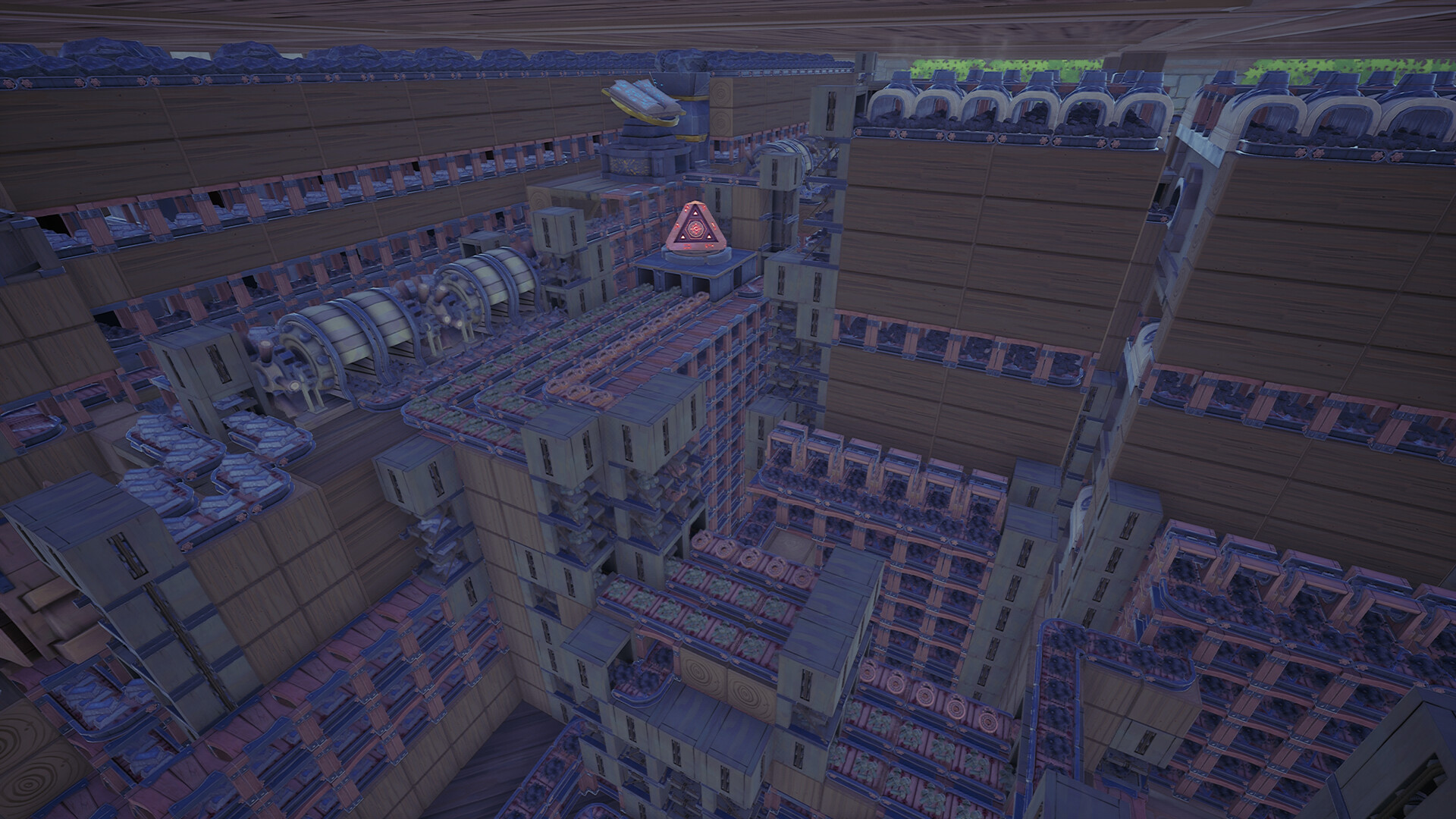
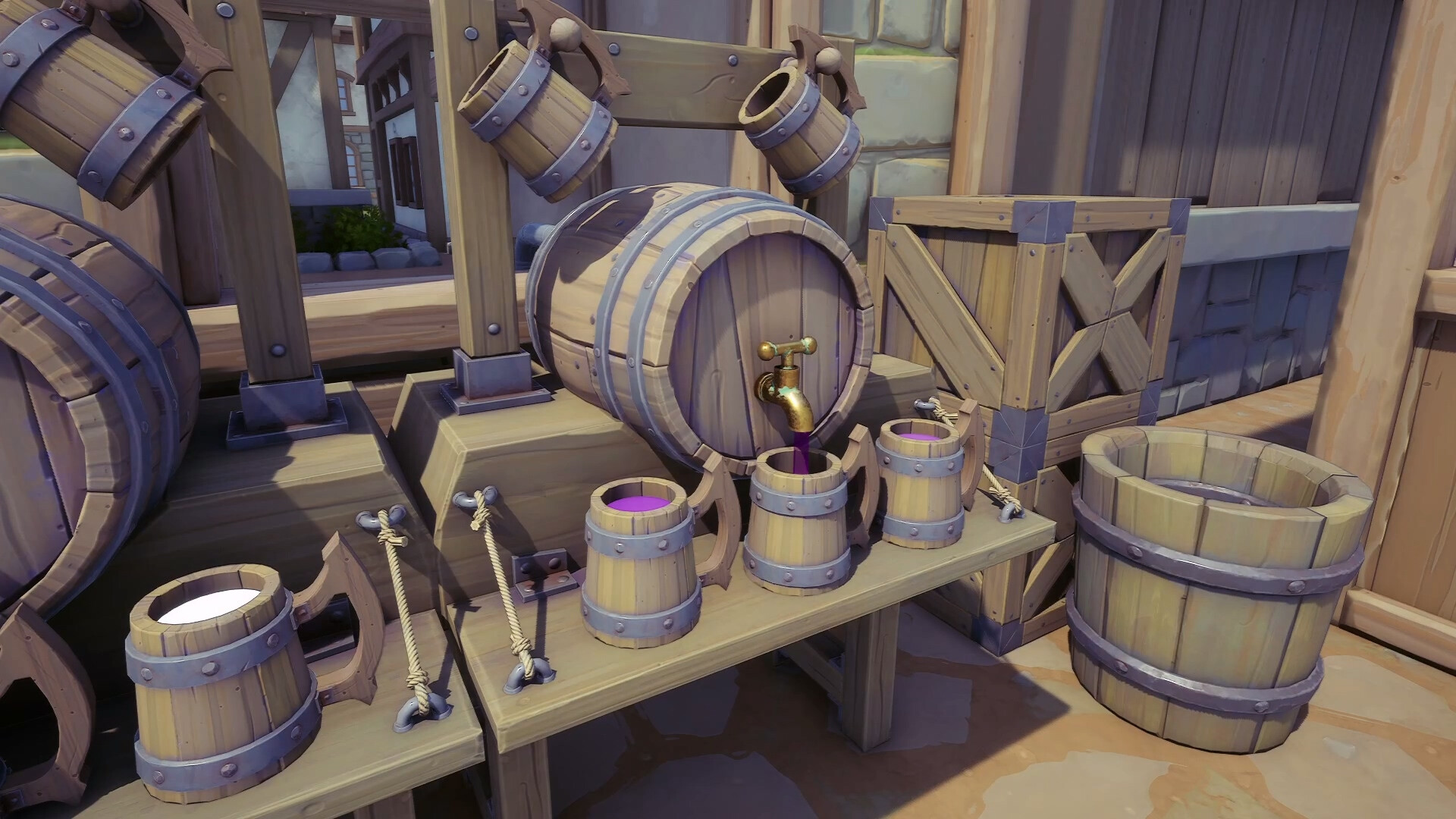
Alchemy Factory is a medieval-themed factory automation and shopkeeping game from developer D5 Copperhead and publisher Gamirror Games. Steam lists a release date string Sep 7, 2026 with coming_soon=False, Windows support (Mac/Linux false at research), and a US price tile around $14.39 (list $17.99, 20% off at research time). The marketed fantasy: start a small shop, team up with friends, automate production with conveyor belts, pipes, and magical devices, then stock shelves with potions, jewelry, and relics while fulfilling commissions and expanding a multi-level alchemy factory. 1.0 calls out the Wagon Logistics System and revamped shopkeeping.
Store short pitch: Start small, team up with friends, and automate production with conveyor belts, pipes, and magical devices. Stock your shop with potions, jewelry, and relics, complete commissions, and build an alchemy empire! Alchemy Factory 1.0 is out now with the Wagon Logistics System and revamped shopkeeping.
Player jobs this page answers
-
Install on Windows 10+, confirm GPU against Steam min/rec lists.
-
Build grind → refine → assemble → shelf as your teaching line.
-
Automate restocking so you can focus on layout and research.
-
Expand upward/downward when floor space becomes spaghetti.
-
Use Workshop blueprints as textbooks, then rebuild by hand once.
Practical detail for this topic
Install Steam app 3669570 on a Windows 10+ machine that meets GPU notes. Start a small factory module: input → process → output → shelf. Automate restocking as soon as the store systems allow so you can return to layout. Expand vertically when floors tangle. Use Workshop blueprints as illustrated textbooks, then rebuild the module yourself so you understand ratios. Reinvest coins into research that unlocks the next craft you actually plan to belt.
Common mistakes
Players sprawl land before one SKU sells reliably; they build pretty belts that never reach shelves; they ignore fuel/fertilizer starvation; they paste Workshop mega-blueprints onto empty wallets; they treat co-op as four silent editors fighting the same spine; they trust console rumors despite Windows-only Steam flags. Avoid those six.
Checklist before you play
- Confirm Steam app 3669570 and your GPU against listed requirements. 2) Note the Sep 7, 2026 1.0 date string, Wagon Logistics, and shopkeeping revamp. 3) Plan one product → shelf loop before multi-floor art projects. 4) Decide solo vs co-op/dedicated server. 5) Revisit this how to play alchemy factory note after patches.
Trailers and media
Steam lists an official 1.0 Launch Trailer (Steam movie 257413319) on app 3669570, plus Launch and Alpha trailers. Watch them on the Steam store page. Third-party YouTube reuploads may be incomplete.
Sources and labels
Primary sources: Steam appdetails for 3669570 (https://store.steampowered.com/app/3669570/Alchemy_Factory/), store about-text for belts/shop/co-op/Workshop. Research pass: 2026-09-08. Unconfirmed: Exact in-client UI labels for wagon routes may shift after patches — verify in your build. Third-party calculator/mod sites are not Steam store facts. Console ports were not listed on Steam platforms at research time (Windows only).
If you arrived via how to play alchemy factory, jump next to related automation, shop, or co-op guides on this site rather than opening a ten-tab rumor spiral.
Field note
Field note for how to play alchemy factory: after each session write three lines — SKUs that sold, the first bottleneck you saw, and one research/land goal — then adjust tomorrow's belt plan before you binge decor.
Systems context
Context that keeps how to play alchemy factory honest: genres on Steam include Casual, Indie, Simulation, and Strategy. Categories include Single-player, Multi-player, Co-op, Online Co-op, LAN Co-op, Steam Achievements, Steam Workshop, Steam Cloud, and Family Sharing. Languages span English, Simplified Chinese, Japanese, French, German, Russian, Spanish, Portuguese-Brazil, Traditional Chinese, and Korean. Those store facts frame what kind of guide advice is fair to give.
Layout discipline
Layout discipline beats lore speculation. Keep raw intake, refinement, assembly, and shop as readable districts. Prefer short belts with clear lifters over diagonal spaghetti. When a district fills, go vertical before you buy another acre you cannot staff with machines. Shop shelves are the acceptance test for every logistics idea.
Economy discipline
Economy discipline: potions, jewelry, and relics exist to be sold. Commissions are paced demand. Research and land are sinks that should follow surplus, not hope. If coins are tight, cut vanity floors and clone the SKU that already clears. Automation without sales is a museum.
When a claim is still soft, this guide keeps it in one labeled sentence instead of inventing a fake checklist.
Cross-check the Steam store tile the morning you play; prices, discounts, and patch notes can shift.
Treat influencer belt blueprints as entertainment until you can reproduce the same throughput in your client.
If a mechanic appears only in a trailer caption, practice the readable version in-game before you memorize a theorycraft route.
Keep notes short: one screen of truths beats three screens of rumor pasted as certainty.
1.0 balance will move recipe values and unlock costs — re-verify after each major patch.
Label console rumors separately from the Windows Steam page so you do not plan a living-room install that is not listed yet.
Coins from shop sales should fund the next research unlock and capacity upgrade, not only prettier floors.
Read machine tells up close: starved inputs, backed-up outputs, and empty shelves are the real HUD.
Co-op etiquette matters — leave walking lanes and do not demolish a selling line without a callout.
Wagon logistics complement belts; they do not excuse a tangled spine inside a single module.
Workshop blueprints are tutors: rebuild once by hand so the ratios stick.
Potion, jewelry, and relic variety helps the shop, but empty specialty shelves waste space.
Fuel and fertilizer branches fail quietly — audit them after every expansion weekend.
Dedicated servers shine when the factory should keep breathing between human sessions.
When a claim is still soft, this guide keeps it in one labeled sentence instead of inventing a fake checklist.
Cross-check the Steam store tile the morning you play; prices, discounts, and patch notes can shift.
Treat influencer belt blueprints as entertainment until you can reproduce the same throughput in your client.
If a mechanic appears only in a trailer caption, practice the readable version in-game before you memorize a theorycraft route.
Keep notes short: one screen of truths beats three screens of rumor pasted as certainty.
1.0 balance will move recipe values and unlock costs — re-verify after each major patch.
Label console rumors separately from the Windows Steam page so you do not plan a living-room install that is not listed yet.
Coins from shop sales should fund the next research unlock and capacity upgrade, not only prettier floors.
Read machine tells up close: starved inputs, backed-up outputs, and empty shelves are the real HUD.
Co-op etiquette matters — leave walking lanes and do not demolish a selling line without a callout.